If you’ve been drawn to the theaters to watch the long anticipated “The Devil Wears Prada 2” starring Meryl Streep and Anne Hathaway, you might have noticed some… similarities between the beloved 2006 original and its sequel. If you haven’t, I’ll sum it up in two words: deja vu. It occurred to me about 30 minutes in – when Andy stood in front of Miranda bumbling like an idiot and being relegated to a dingy office – that I had bought a ticket to watch the exact same film I have on DVD in my parent’s media console. The introduction is the same, the plot progression is the same, and even some of the outfits seem recycled, with ties serving as a stand-in for the chic workwear of the 2006 movie. Once you realize this, the whole film becomes trite and predictable. From the start of the movie, we see the telltale signs of what we’ve sat down for.
A Plot Twist? For a Sequel? Groundbreaking.
Andy might be an experienced journalist with awards and credits, but she’s never written features for a fashion magazine, so we start with the same protagonist: A girl with no options turns to a job she’s never done and doesn’t even really want. Miranda is the same cruel boss who finds her job on the line with a newer, younger editor-in-chief on her tail. And then there’s Nigel. Poor, sweet, capable Nigel who has seemingly been so blinded by his love for Runway that he has never left or even asked for a promotion. Naturally, it’s been 20 years and he is in the exact same position: Miranda’s right-hand-man who nobody (except Andy) can see is desperate for more. When you follow the formula of the original movie so closely, the “plot twist” – if we can even call it that – becomes obvious. Someone is going to screw someone over to stay in charge, we just don’t know who.
The film is certainly fun, but it lacks the gravitas from the original. This formula didn’t just work in the first movie, it was brilliant. The story captured the brutality behind the beauty in a cutthroat industry and gave us a delicious villain to feed off of. Miranda was exactly what the audience wanted; she was sharp, ruthless, and dedicated. Beyond everything, we could tell this was a woman who cared about the art and culture she was creating every day, and the movie made audiences reckon with an art form they previously considered frivolous or vain (re: the cerulean monologue). The depth and commentary that solidified “The Devil Wears Prada” as a classic is simply missing from the sequel, partly because our villains have lost their bite.
“No One Can Do What I Do”… Or Can They?
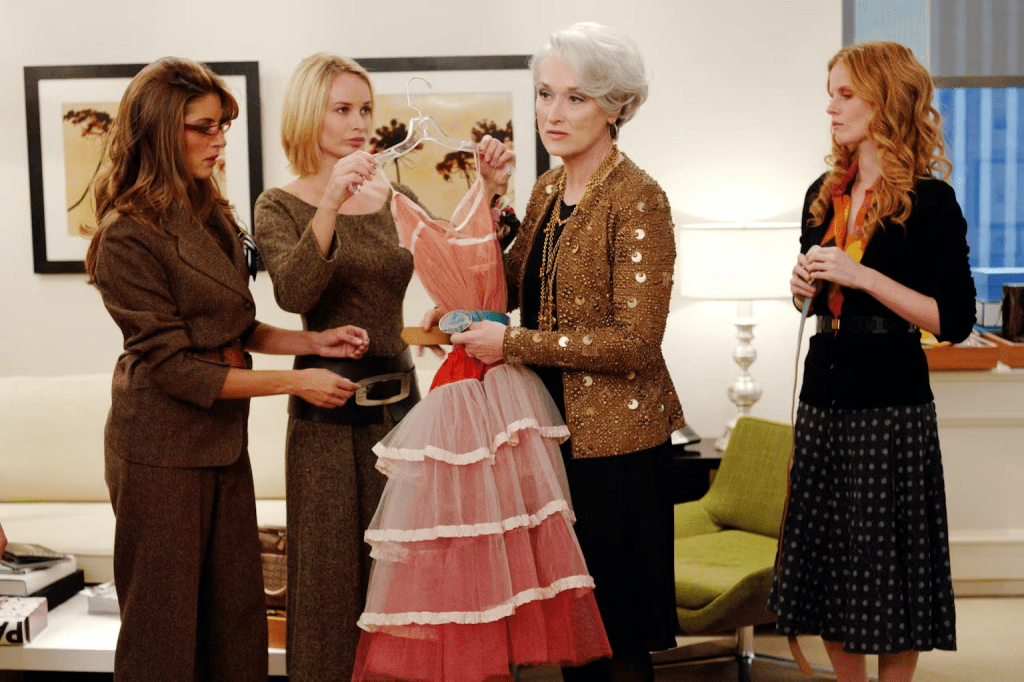
Rather than having one antagonist, the writers spread the conflict to two characters and subsequently diluted their personalities. Emily works for Dior, which immediately tells us that she’s turned away from editorial work and moved on to retail. It’s less creative and much more consumer driven. And her plan to get her hands on Runway? Date a billionaire and make him buy it for you, then put yourself on the cover. The plan lacks vision or personal determination, and more than anything, artistic drive. Miranda, former “dragon lady,” is now being corralled by her assistant, rolling over and letting the big men in suits determine the fate of her career, and giving advertisers whatever they want. Who is this woman?!
The clear message in “The Devil Wears Prada” was that while everyone doubted Miranda, it was impossible to ignore that she was the best at her job. They might have wanted someone fresh-faced. They might have believed she had lost her touch. But anytime Miranda walked into that office, she proved exactly why she had that spot. Today, however, she fails to verify a brand that uses sweatshops and she’s framed more as “politically incorrect” than as an intense boss who demands perfection. The writers show us so clearly that she is behind the times; she doesn’t understand the role social media plays in modern publications and we even see her still committed to the physical book brought to her every night. There is a fundamental gap in her modern sensibilities that would have made for amazing writing if the film had an equally interesting ending: Miranda realizing that to care about Runway meant recognizing that she was no longer fit to be the editor-in-chief. Instead, the sequel delivers an ending nearly identical to the first, with Miranda still at the helm and almost no change in the power structure that has clearly led Runway down a perilous road. The message: You can be old and out of touch and still convince everyone you’re the best person for the job (though I suppose it’s not completely unrealistic, it’s still annoying).
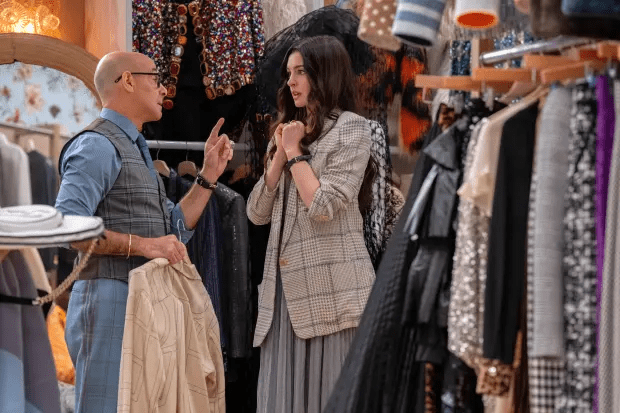
Miranda and Emily weren’t the only characters to change, but Andy now seems almost more naive and childish than she did in the first movie. Rather than seeing a character who has grown into herself and developed a strong sense of independence, consistent with the arc they started writing for her at the end of the original movie, our protagonist is somehow a 45 year old woman with 20 years of journalistic experience stumbling around and lying to her boss about leads. At times, she comes off anxious and still clings to Nigel like a safety blanket. Oh, and she still dates lame, annoying guys. It’s not to say the characters in this movie are unlikeable or unable to make an interesting story. They’re just not the characters from this universe, hence why the recycled plot just doesn’t fit.
Why Is No One Ready?
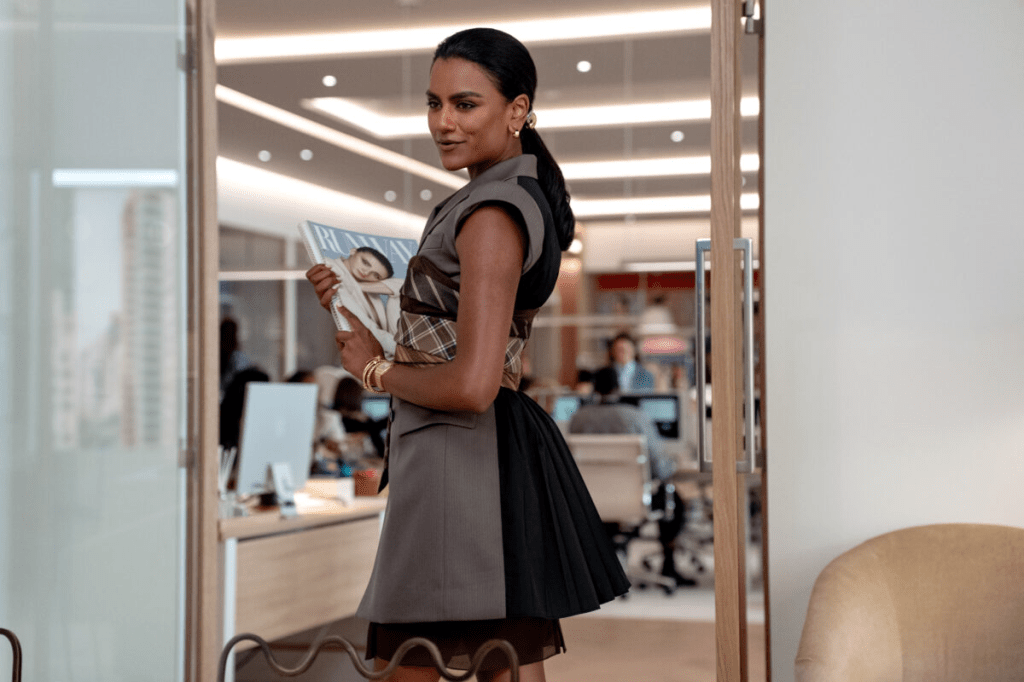
A major point in “The Devil Wears Prada 2,” feeding off the message of the original, is prioritizing art over retail. The goal of Runway is to create trends and prop up designers, fueling artistry and innovation in the world of fashion. This is so obvious that they even mock Emily for making her way over to Dior and building her career off of retail, pursuing profit over craftsmanship. The goal is to make something original, something never seen before, a cultural statement above financial gain… and yet this movie is the complete opposite. It is an imitation. I will allow that the imitation is fun, because – contrary to how it might seem based on this article – I did have fun while watching the movie. But I was rarely wowed. Aside from Simone Ashley (seriously, WOW!), there were very few fashion moments that left me stunned. Ironically, a lot of the fashion moments just followed microtrends rather than trying to create something original. Really, I could make a drinking game out of how many ties were worn in this movie. It felt like each character was wearing costumes rather than implying that these people all have a sense of style inherent to them and their lifestyle.
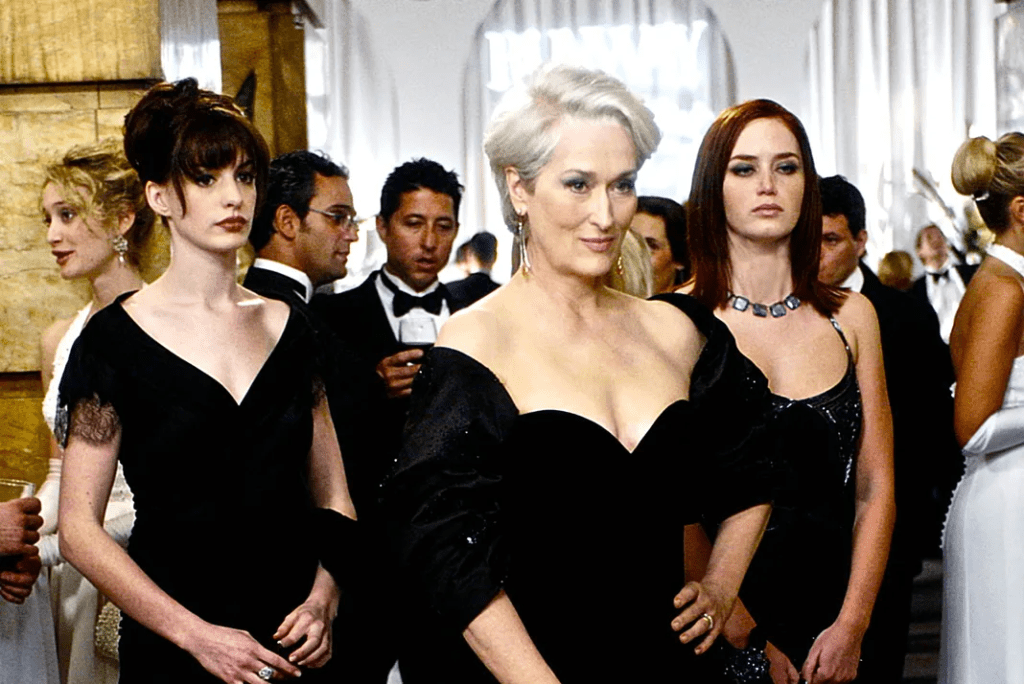
The color grading was similarly flat, making it feel more like a commercial for all the brand logos dropped into scenes than like an actual film. Everything looks so black and white, with most of the outfits lacking inspired color choices or bold patterns that make sense for the story. Even the scene with the in-universe version of the Met Gala had a feeling of artifice that wasn’t present in the original. The entrance to the Gala in “The Devil Wears Prada” shows Andy and Emily conversing as they enter with photographers in the background. The outfits look expensive and the set is expansive. In this new iteration, Miranda and Nigel are flanked on all sides by photographers so close we can hardly see the rest of the set, making it seem purposely overcrowded and more like a set than a gala.
The contrast between the movie’s message and its execution is so ironic it’s borderline meta. A movie about artistry and originality being told through a recycled plotline wasn’t on my 2026 bingo card, but maybe it should’ve been. I got an inkling of the nostalgia bait from the trailers, but I’ll admit I watched the movie with my mom because of our shared love of “The Devil Wears Prada” and it was certainly entertaining. If nothing else, we got to laugh and judge together for 2 hours – prime mother-daughter bonding activities. Admittedly, we didn’t walk in with the highest expectations, and I was not anticipating the same gravitas as the first film. I was, however, caught off guard by how little self awareness the film held of itself and what made the original such a classic. With a budget three times the size of the 2006 production and a star-studded cast, the writers had the potential to make something incredible, and instead settled for redundancy. Or maybe, just maybe, this second-hand script was actually a meta commentary on the banality of the film industry and the greed of big production companies. I suppose we’ll never know. That is, until they make the 2036 installment, “The Devil Wears Prada 3: This Time More Ties!”
 The Drama Drive-In