
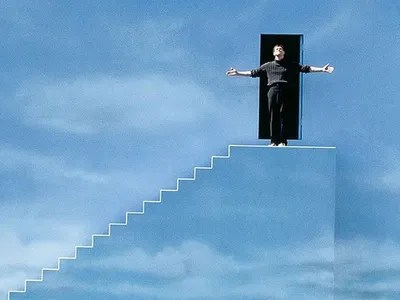
As a high school psychology teacher, there is one thing I spend all year communicating to my students: humans are social creatures. At the heart of all human behavior is an innate drive to build community, to love and be loved. This desperate need to be part of something, however, has grown exponentially; our means of connection follow suit. As the rise of social media celebrities contributes to pseudo communities worldwide, we are tasked with answering this question: how far will we go to weave the human condition before that web is no longer real? When discussing the collapse of privacy in the modern age, the dark underbelly of family vloggers, and the pressures to conform to parasocial bonds over the internet, there is no better film to turn to than Peter Weir’s “The Truman Show,” a cautionary tale about life in the limelight, voluntary or not.
Despite the fictional plot created as a dramatized depiction of celebrity, Truman’s story draws endless parallels with modern lived experiences. The lives of Bo Burnham and Shari Franke – online personalities for over fifteen years each – are immortalized and critiqued in their creative endeavors. Burnham’s “Inside,” a Netflix comedy special performed and published from within his quarantined home, and Franke’s “The House of My Mother,” a memoir detailing her life as part of a family vlog channel, depict the absurdities present in Weir’s transcendent satire.
Blur Between Reality And Fiction
Arguably the most potent literary device used in “The Truman Show” is dramatic irony: when the audience knows something the characters don’t. As we move through the story, the audience is quickly let in on a secret: Truman’s world has been completely manufactured – his job, his quaint island town, his education, his life – all counterfeit. At about 30 years old, Truman has built an identity surrounding his community and the people in it. Even his dedication to these elements has been falsified; his decision never to leave the island solidified by a conditioned fear of water, and his relationships to his loved ones created through forced interactions. What is most jarring, and maybe most revealing, about this element is perhaps the knowledge that everyone is in on this joke but our protagonist. Even as Truman begins to wake up to his realities, there is no solace to be found in the shared ignorance of his peers, but rather active denial when he begins to catch on. Some might call it gaslighting, others call it job security. So many people are looking to keep their paychecks, looking to be part of something “important.” This attitude is not unfamiliar, as we observe it constantly in the exploitation of children for film, television, and now social media. Many may argue that this does not affect their development, but some viewers of the in-universe “Truman Show” still wonder about how far they can extend their belief in their protagonist. The creator, Christof, prime justifier of their extended deception, asserts that “while some parts of his world are counterfeit, nothing about Truman is fake.” His name is not coincidental; despite our doubts, he has always been a true man. Truman’s identity has developed as a result of his environment, but without being fed lines or directions. This fictional reality show falls somewhere between entertainment and anthropological analysis. Truman serves as our folktale: he’ll never know how much of his life was real or not. Was any of it real?
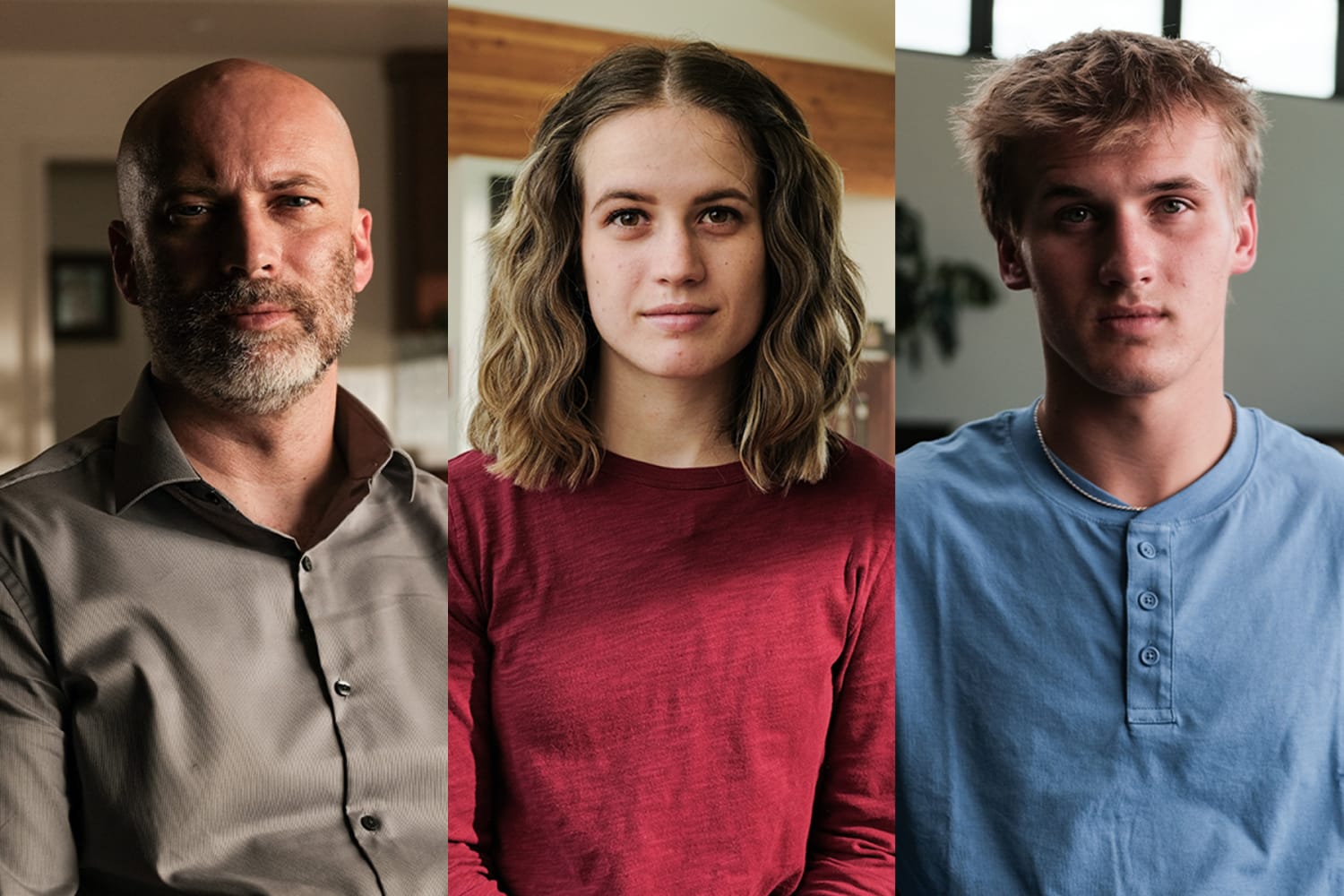
These same questions are often pondered by child stars. Shari Franke offers a rare glimpse into this warped alternate universe, where recording is parenting and views measure a child’s value. Being one of eight stars in a family vlog channel meant seeing camera lenses more often than her parents’ faces, and a Coraline-style Other Mother who appeared when the red light started blinking. Sickeningly sweet, overly attentive, and intent on trapping what she needed, Rubi Franke played the doting mother on screen and shifted to emotional, psychological, and even physical abuse off screen. These cracks in Shari’s reality, not knowing which parent she’d come home to or how much of her relationship with her parents was real, deeply affected her development. The primary difference between Truman and Shari: Truman lived most of his life believing it was real, while most of Shari’s was spent in limbo, almost as if the last few weeks of Truman’s life represent the ubiquitous uncertainty of her upbringing. Her experiences are dappled with a unique perspective, knowing she could be lied to at any moment. The question is, does this make it better or worse?
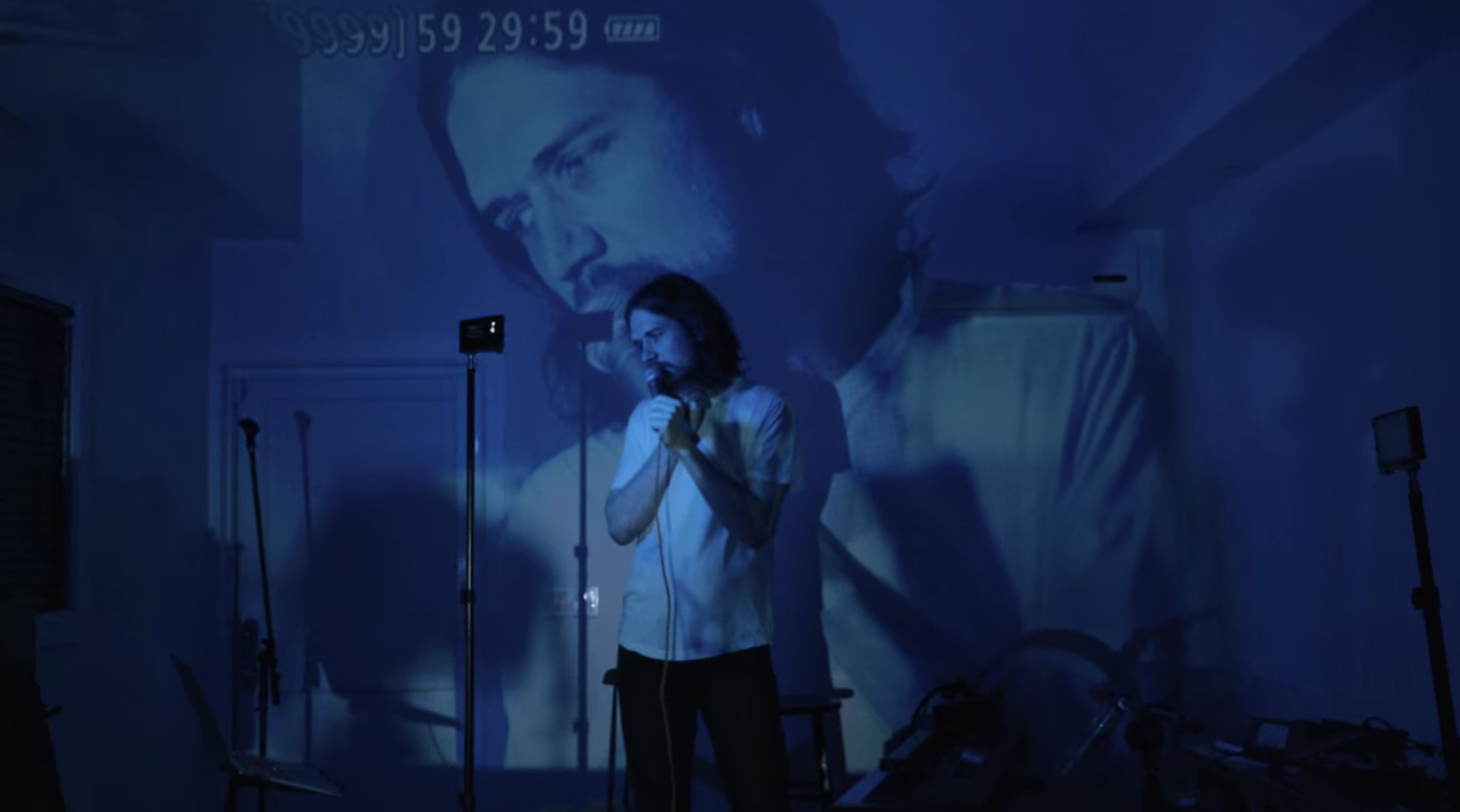
The narrative begins to shift when we pan over to Bo Burnham, lifelong comedian and creator of Netflix comedy special “Inside.” Burnham has been posting comedy videos online since his teen years, and has built a persona around this career subsequently. The challenge with starting anything so young is the ability to stagnate, to fear growth and change for fear of losing the audience. Burnham expressed these fears throughout his career in several interviews and specials, making it clear to viewers that the visible persona of comedian Bo Burnham™ is not the same as lowercase bo burnham, the person. These distinctions come to a head during his most recent special, where Burnham grapples with the idea of falsehood and curating an image, whether out of desire or defense. What makes his position unique from the aforementioned victims is that Burnham initiated his own purgatory. Having started his career online and propelled it individually, without undue influence or control from outside factors, he has created a box for himself. If he grows and changes as any human does, will the people still love him? In songs like “Inside,” Burnham expresses a desire to hide from the world, to shield his identity and protect it from everyone else. In this way, Burnham blurs reality for his audience, rather than for the subject of media primarily, unlike Truman and Shari. Once again we ask, how does this shift the dynamic? Is it better or worse to lie to yourself than to be lied to? When do the lines between our true reality and the one we curate get too blurred to know the difference?
Parasocial Relationships
What the falsified moments in the media we consume help to generate is a sense that you, the viewer, really knows the person making the content. Have you ever met in real life? Have they ever answered any of your fan mail? Do they know you exist at all? Somehow, none of that matters. Our media protagonists become our best friends. The longer we watch, the better we know them. The better we know them, the more invested we become. The more invested we become, the more money they make. With Truman’s show on the air for all thirty years of his life, he has countless die-hard supporters. His most memorable viewers are the two sweet old ladies who appear to spend their lives glued to their television screen, purchasing every bit of Truman memorabilia they can. These women resemble grandmothers, always watching, rooting for, and cooing over anything Truman does. They’ve presumably been there for every moment, sharing all his triumphs and heartbreaks. Similarly, the bartenders and bargoers leave his channel on constantly, serving as background noise to their personal lives. Christof tells us that the obsession with Truman is more than for entertainment, but for personal connection, and that “some viewers leave him on all night for comfort.” This parasocial connection reaches levels of absurdity, as we see each of these dedicated fans cheering Truman on in his quest to break free of his set even though this would mean the loss of the show they’ve all grown so attached to. After actively supporting his imprisonment for decades, they now desperately pray for his escape.
This parasocial bond extends to real celebrities without question. Millions of people commit all their time and energy into celebrities, buying or streaming all their content, following every post on social media, and staying up to date with each tour, merch drop, and release date. There are few parasocial bonds, however, with a nature comparable to those in the comments of influencers. As a society, we tend to consider A-list celebrities as almost beyond human, but Youtubers and Tiktok creators are “real” people. They film themselves on their iPhones or cheap cameras, they live in regular apartments, and do “regular people” things. They’re just like us, aren’t they? Their content on camera isn’t scripted or directed, leading us to believe we’re seeing every facet of this regular person right on our screens. Shari Franke describes the surreal nature of these connections, explaining that fans of their family vlog channel felt they knew everything about the family. Initially, this took the shape of comments on their Youtube videos of strangers believing they had a perfect family, but slowly changed over time. Once the news of Rubi’s arrest came to light, Shari suddenly saw an influx of the same fans reporting that they knew all along something was wrong. These comments solidify the knowledge people feel they have of their favorite influencers, developing this imagined friendship with people they’ve never met. While Shari was not the promoter of these relationships, someone often has to be.
In several interviews preceding the release of “Inside,” Bo Burnham has discussed the strange nature of his relationship to fans. They’ve seen him grow up since the age of sixteen, so they really must know who he is. The issue is, none of them know him at all. He has crafted an image of himself so that we see the Bo Burnham he wants us to, but not every part of him. As the writer, director, and editor of the special, whatever Bo Burnham really went through in the background of creating his special, we see only a glimpse, and only the moments that were intentionally filmed. This is not an accident. This is not a blooper. By sharing some human moments, we’re led to believe we have the full picture when really, it’s just a few puzzle pieces. Burnham grapples with these emotions in songs like “All Eyes On Me,” acknowledging his awareness that fans are watching his every move but through a distorted version of him, exemplified in the voice modifier used for the track. In creating and maintaining this strange relationship, Burnham and his fans have become symbiotic: viewers rely on him for laughter and emotion, and he relies on them for a paycheck. Should he correct their view of him, or keep banking on it despite the pressures it places on his personal life? The decision is further complicated at the end of the special, when he finally escapes the inside of his home, the watchful eye of his viewers, only to realize there is no escape. He will always be on a stage, always on camera. He has cornered himself into a place of performance and self-exploitation, never free from the critical lens of his fans or himself, who finally watches this footage back.
Exploitation Of The Modern World
The most visceral and relevant commentary of “The Truman Show” is the reflection of how we exploit people and children in the contemporary arts. After three decades of using his likeness and his life to build a story, a business, a profit, the reality is that Truman will never see a penny of his show’s revenue. He’s left traumatized, emotionally disconnected, and alone to survive in the real world that he’s never faced; he was nothing but their cash cow. While many have drawn comparisons between Truman and the child stars of the 1990s, I feel that comparison leaves something to be desired. While young children on television and movie sets, especially in the 90s, have dealt with long hours and less than desirable working environments, no working past a certain number of hours and Coogan accounts securing an investment of wages for the child’s future were and still are standard practice in Hollywood. With social media child stars, however, the camera is never really off. There are no laws, no protections, and few guardrails in place to ensure these children are not taken advantage of. The real lives of these children are being broadcast for the entire world, invading their privacy and emotional development.
The goal in analyzing this film, along with the progression of both Burnham and Franke’s careers, is to encourage a more in-depth look at the rights of children featured online. With the rise of social media fame and easy access to exploitative tactics, it is more important than ever to step in and keep these children safe. In sharing their stories, Shari Franke and Bo Burnham have shed light on a phenomenon that has largely existed behind closed doors and lens-capped cameras. Following Senate Bill 764 and Assembly Bill 1880 in California, publicly backed by former child star Demi Lovato, which extend financial rights to child influencers, there is an overall push across the nation to further shield vulnerable minors from the exploitation of money hungry content creators. The hope is that cautionary tales like Shari’s and Bo’s – and even Truman’s – will strengthen that shield and encourage its expansion.
 The Drama Drive-In
very insightful read. i like how you distinguish the realities between child hollywood celebs and child social media influencers. while a lot of struggles overlap, we really have a lot less control over what happens to social media stars. it’s fascinating how the truman show, by staying the exact same film it always was since the 90’s, has acted as a stationary post that reflects how our digital age and american dreamisms have evolved. very little in the realm of child exploitation has truly changed; it’s just switched platforms.
LikeLike